


Back to articles
Intimate cleaning: good habits
Released by Dr. Anne De Kevasdoué the 2014-03-16
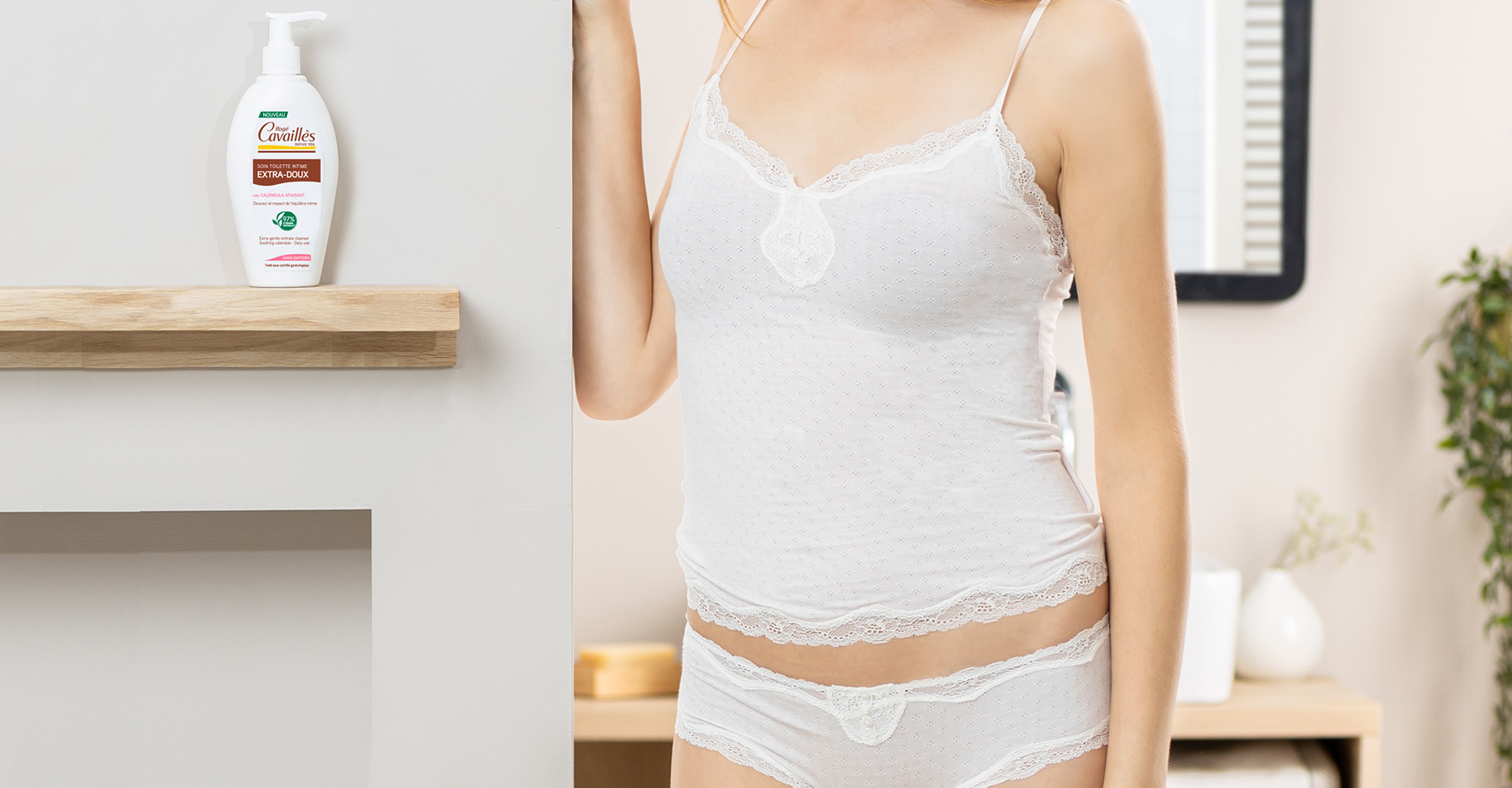
Don’t use shower gel to cleanse your intimate area because its pH is not suited to the vulvar flora which is more acid. Instead, use a specific cleanser with a soap-free, gentle cleansing base and a physiological pH.
Wash your intimate area with your hand; don’t use a flannel, which is a breeding ground for germs. Washing should be limited to the vulva and the area between the thighs. Remember to rinse and dry the area well.
Avoid vaginal douches, unless recommended by your doctor because the vaginal flora is fragile and can easily become unbalanced, making it more prone to infections.
Don’t wash this intimate area more than twice a day, which is perfectly adequate. Rinse thoroughly and dry without excessive rubbing.
Our latest articles
Acne and diet
Acne sufferers and their parents have always suspected chocolate, pork and all “good things” of being responsible for acne and its aggravation. And these beliefs continue despite opposing medical opinion. But doctors’ are now changing their opinion! Has this been proven? Studies first demonstrated the absence of acne in so-called primitive populations which have a […]
Baby skin : Good habits
Naturally dry, baby skin tends to become more fragile when exposed to various aggressions, especially hard water, but also repeated bathing with overly harsh products which can alter and damage the skin. In order to protect the sensitive skin of babies, use a surgras, soap-free, pH-neutral cleanser for their daily bath.
Perspiration is an important natural process
As much as we’d like to be free of it, perspiration is a natural phenomenon that is essential for good health. It plays three important roles: -It helps regulate body temperature, keeping it at a steady 37°C/98.6°F. -It helps the metabolism eliminate waste and toxins present in the body. -It helps keep the skin moisturized: […]