Back to articles

Perspiration is an important natural process
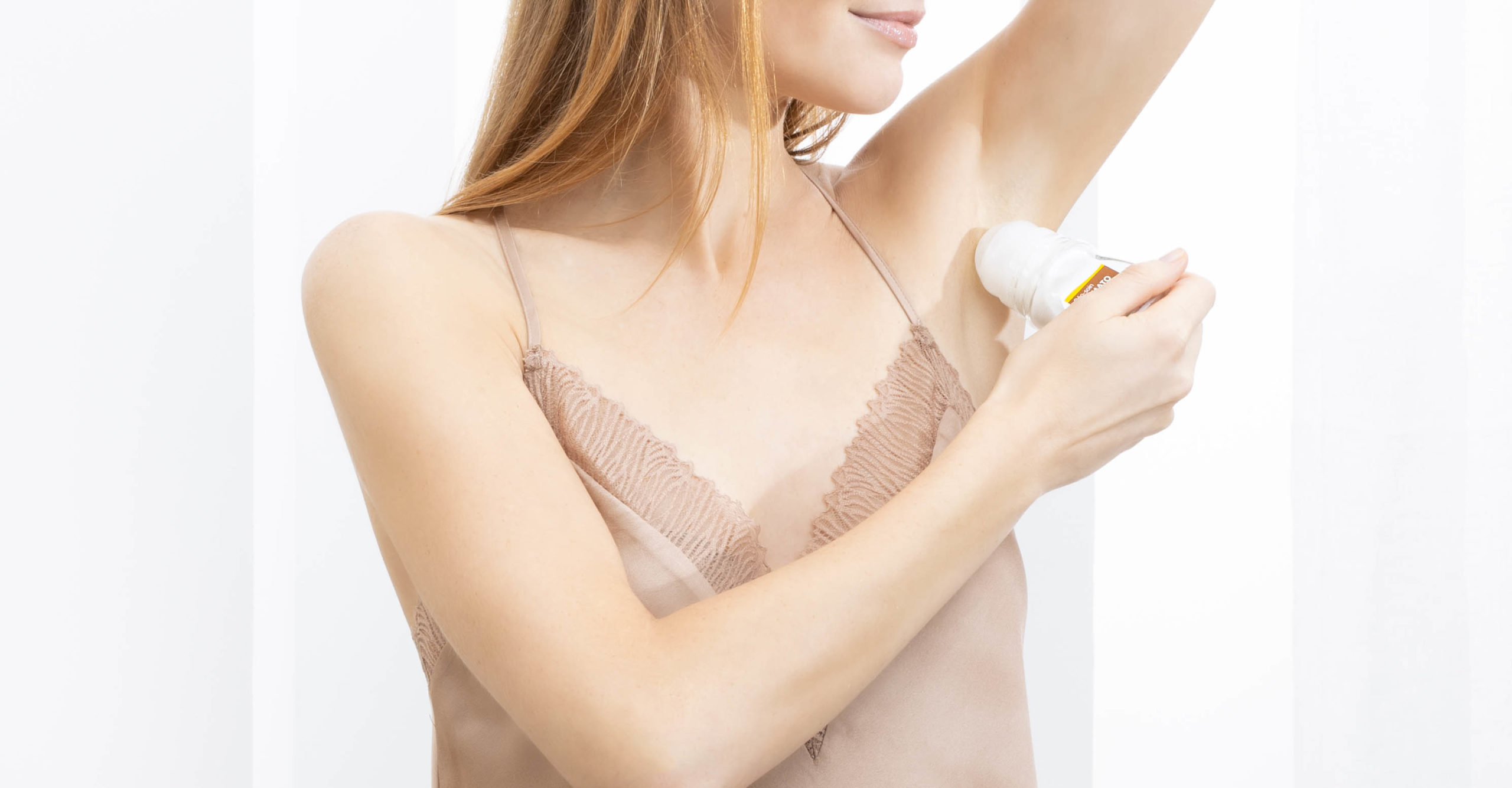
Released by Dr. Florence Poli the 2017-03-27
Perspiration is an important natural process

As much as we’d like to be free of it, perspiration is a natural phenomenon that is essential for good health.
It plays three important roles:
-It helps regulate body temperature, keeping it at a steady 37°C/98.6°F.
-It helps the metabolism eliminate waste and toxins present in the body.

-It helps keep the skin moisturized: sweat contributes to forming a natural barrier that protects the skin and maintains moisture levels by controlling evaporation.
What causes perspiration?
As you probably know, increased body temperature (heat, exercise, fever, etc.) can lead to intense surges in perspiration. However, other factors, including your emotions (stress, fear, etc.) and even the consumption of certain foods (chilies, alcohol, coffee, etc.) can also play a role.
When you perspire, your body produces two types of sweat:

-Eccrine sweat, produced by the eccrine glands, is naturally odorless and made up of 99% water. These glands are located all over your body (forehead, palms, feet, underarms, etc.).
-Apocrine sweat, produced by the apocrine glands, contains greater amounts of oil. When this type of sweat comes into contact with the bacteria naturally found on the surface of the skin, it can cause body odor. Apocrine glands are found exclusively in the underarms, crotch and chest. 

Mots clés : Deodorants perspiration

Our latest articles

Acne and stress

Acne can be a cause of stress and anxiety, but it is also well known that stress can trigger or exacerbate it.  Has this been proven? Several scientific studies have shown that the skin’s cells that secrete sebum are sensitive to nerve stimulation. A clinical study has revealed the onset of acne flare-ups in students […]
Dr. Florence Poli
Voir le conseil

Dry skin : Good habits

Avoid products that contain allergenic fragrances or preservatives which could cause skin reactions. Use cleansers containing moisturizing active ingredients (glycerine, milk protein, shea butter) and surgras agents which restore the hydrolipidic film that protects the skin. Avoid alcohol-based lotions which tend to dry out the skin, Pat dry the skin rather than rub. Avoid overheated […]
Dr. Florence Poli
Voir le conseil

Intimate cleaning: good habits

Don’t use shower gel to cleanse your intimate area because its pH is not suited to the vulvar flora which is more acid. Instead, use a specific cleanser with a soap-free, gentle cleansing base and a physiological pH. Wash your intimate area with your hand; don’t use a flannel, which is a breeding ground for […]
Dr. Anne De Kevasdoué
Voir le conseil